
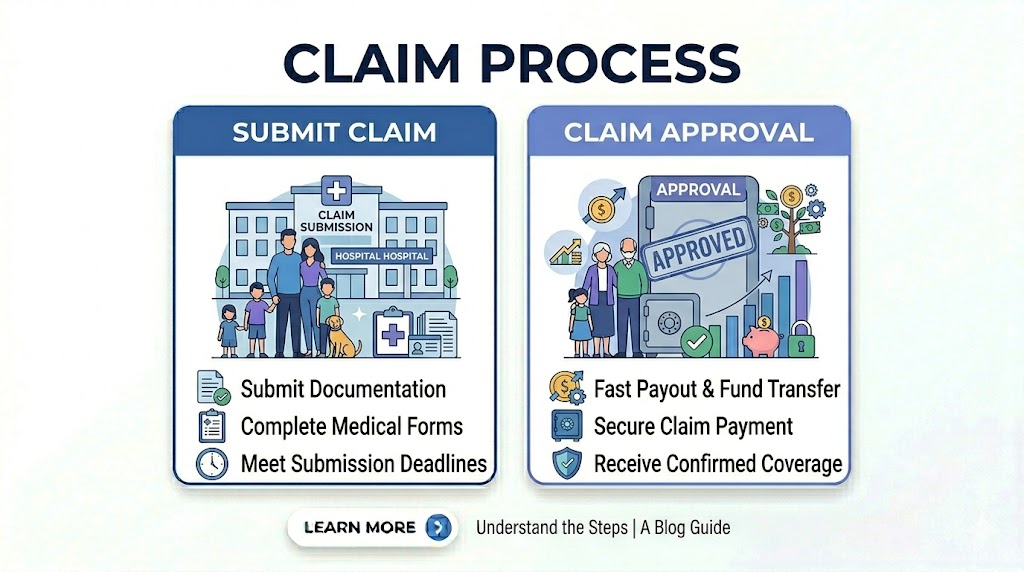
Navigating the Health Insurance Claim Process India in 2026 is significantly faster thanks to the latest IRDAI mandates. Whether you are opting for a hassle-free cashless experience at a network hospital or filing for a reimbursement after treatment at your preferred clinic, the key to success lies in timely intimation and precise documentation.
With the new “V-CIP” and standardized claim settlement timelines, insurers are now required to provide admission approvals within 1 hour and final discharge clearances within 3 hours. Understanding the nuances of the Health Insurance Claim Process India ensures that you can focus on recovery while your insurer handles the financial burden.
Who is this for?
This guide is for any health insurance policyholder in India—whether individual, family floater, or corporate—who wants to understand the health insurance claim process india and how to trigger coverage during medical emergencies or planned treatments.
Best Ways to Navigate Health Insurance Claim Process India
The most effective way to handle the health insurance claim process india is through the cashless facility. By choosing a network hospital, you can avoid arranging large upfront payments, as the insurer settles bills directly with the hospital.
However, if you opt for a non-network hospital, the reimbursement route becomes essential in the health insurance claim process india. In this case, you must pay first and later claim the amount by submitting all original bills, discharge summaries, and medical reports.
Health Insurance Claim Process India Comparison Table
| Feature | Cashless Claim | Reimbursement Claim |
| Hospital Type | Only Network Hospitals | Any Hospital (Network or Non-Network) |
| Upfront Payment | No (Except non-covered items) | Yes (Full bill paid by policyholder) |
| Intimation Window | 48hrs (Planned) / 24hrs (Emergency) | 48hrs (Planned) / 24hrs (Emergency) |
| Settlement Time | Instant at discharge (3 hours) | 15 – 30 Days after submission |
| Paperwork | Minimal (Handled by Hospital) | Extensive (Handled by Policyholder) |
Eligibility Criteria
- Policy Status: Your insurance policy must be active and all premiums paid.
- Waiting Periods: The specific ailment must not be within the initial, PED (Pre-Existing Disease), or specific-disease waiting periods (now capped at 3 years by IRDAI).
- Admission: Most claims require a minimum of 24 hours of hospitalization (except for “Day Care” procedures like cataracts).
- Sum Insured: The claim amount must be within your available sum insured and any applicable sub-limits.
Documents Required
For Cashless Claims:
- Health Card: Digital or physical e-card issued by the insurer.
- Photo ID: Aadhaar Card, PAN Card, or Passport.
- Pre-Authorization Form: Duly filled and signed (available at the hospital’s TPA desk).
For Reimbursement Claims:
- Duly Filled Claim Form: Forms A & B (signed by you and the doctor).
- Original Discharge Summary: Containing complete diagnosis and treatment details.
- Final Hospital Bill: Original bill with a detailed breakup of charges.
- Payment Receipts: Stamped original receipts for all payments made.
- Diagnostic Reports: Original X-rays, blood tests, or CT scan reports.
Step by Step Process to Apply
Cashless Process:
- Locate Network Hospital: Find a partner hospital near you (e.g., in Goa or your specific city).
- Intimation: Notify the insurer 48 hours before planned admission or within 24 hours of an emergency.
- TPA Desk Submission: Present your health card and ID at the hospital’s insurance desk.
- Pre-Auth Approval: The hospital sends your records to the insurer; approval is usually given within 1 hour.
- Direct Settlement: At discharge, the insurer settles the bill directly with the hospital.
Reimbursement Process:
- Notify Insurer: Inform the insurance company immediately upon admission.
- Treatment & Payment: Pay the full hospital bill at the time of discharge.
- Collect Originals: Ensure you have all original bills, reports, and the discharge summary.
- Submit Claim: Send all documents to the insurer/TPA within 15–30 days of discharge.
- Verification & Credit: The insurer verifies the claim and credits the amount to your bank via NEFT.
Tips to Health Insurance Claim Process India faster
To expedite your Health Insurance Claim Process India, always use the insurer’s mobile app for digital intimation. This creates a digital trail and a claim ID instantly, reducing the chances of administrative delays.
Check the “Non-Medical” Items List
Even in a “100% cashless” claim, you will often have to pay for “non-medical expenses” like gloves, masks, and admission kits out of pocket. Reviewing the standard list of non-payable items beforehand helps you manage your expectations and avoid surprises at the discharge desk.
Common Mistakes to Avoid
- Delayed Intimation: Failing to inform the insurer within 24 hours of an emergency can lead to rejection.
- Missing Documents: Submitting photocopies instead of original bills for reimbursement claims.
- Signature Mismatch: Ensure your signature on the claim form matches the one in your policy records.
Safety Guidelines
The Reserve Bank of India (RBI) and IRDAI emphasize that you should never share your NetBanking or UPI PIN with hospital staff or TPA agents. For grievances, always use the “Bima Bharosa” platform for a transparent resolution. If your claim is unfairly rejected, you have the right to approach the Insurance Ombudsman.
Internal Resources to Improve Your Loan Approval
- Loan Approval Time India: Learn how medical stability impacts your financial profile.
- NBFC vs Bank Loan India: Useful if you need to bridge the gap during a reimbursement delay.
- Loan for Low Income India: Financial support options for unexpected medical costs.
Frequently Asked Questions
What is a TPA in the Health Insurance Claim Process India?
A Third Party Administrator (TPA) is a service provider that processes claims and provides the network hospital list on behalf of the insurance company.
Can I claim for the ambulance?
Yes, most policies cover ambulance charges up to a specific limit, provided it is used for emergency transportation to the hospital.
How is the claim amount calculated?
The insurer uses a specific formula considering the sum insured and co-payment:
Payable Amount = (Total Eligible Bill – Deductibles) × (1 – Co-pay %)
What happens if my cashless request is denied?
A cashless denial is NOT a claim rejection. You can still pay the bill, get treated, and then file for a reimbursement claim after discharge.
Conclusion
Mastering the Health Insurance Claim Process India is the final step in ensuring your medical policy truly works for you. By maintaining a folder of original documents and utilizing the 1-hour digital approval windows mandated by IRDAI, you can navigate even the most stressful medical situations with financial confidence. Always prioritize network hospitals for the smoothest experience, but keep this guide handy should you ever need to file for reimbursement.